How To Get Forklift Certified: Full Guide
Understanding Forklift Certification: Why It Matters
Driving a forklift might look simple. Just move, lift, repeat. Easy, right? Not quite.
A forklift is a serious machine. It’s heavy. It’s powerful. And if used the wrong way, it can hurt people or damage things fast. That’s why you must be certified. It’s not optional. In the U.S., OSHA (Occupational Safety and Health Administration) makes sure of that. Other countries have their own strict rules, too.
So what is forklift certification, really? It’s more than a piece of paper. It’s proof. Proof that you know how to stay safe. That you understand the rules. That you’re ready to do the job without putting yourself—or others—in danger.
Want to work in a warehouse? On a busy construction site? Hoping to move up at your current job? Then you’ll need forklift training. It gives you the basics: how to steer, lift, load, and avoid hazards. It also teaches you how to spot problems before they happen.
Think about tight aisles, heavy loads, slick floors. Things can go wrong in seconds. Certification helps you handle all that, and more.
And here’s the big picture: getting certified means you’re ready. Ready to work. Ready to follow the law. Ready to be trusted.
So—what’s your next move?
What Is Forklift Certification?
Forklift certification proves a person can safely operate a forklift. It’s not just a nice-to-have. It’s required by law. OSHA—the Occupational Safety and Health Administration—sets the rules in the U.S.
Why is it important? Because forklifts are powerful machines. If used carelessly, they can cause serious harm. Certification helps keep everyone safe—operators, coworkers, and the workplace.
How Do You Get Certified?
Getting certified involves training. Not just one step—several. Here’s how it usually works:
- Step 1: Learn the Rules: You start with lessons. These might be in a classroom or online. You’ll learn safety basics, how to spot hazards, and how to follow OSHA guidelines. Sometimes there are videos, quizzes, and real-world examples.
- Step 2: Practice on a Forklift: Next, it’s time to get hands-on. Under a trainer’s eye, you’ll drive a forklift. You’ll learn how to lift, turn, stop, and work in tight areas. The training matches the type of forklift you’ll actually use—like a reach truck, pallet jack, or counterbalance.
- Step 3: Show What You’ve Learned: After training, you’ll be tested. A certified trainer watches as you operate the forklift. They check to see if you can handle it safely and correctly. The test might happen at your job site or in a controlled area.
- Step 4: Get It in Writing: Once you pass, your employer documents everything. They keep records showing you’ve met OSHA’s training and safety standards.
Don’t Forget: It Expires
Certification doesn’t last forever. OSHA requires a re-check every three years. Sometimes sooner—like if you’re in an accident, use a new type of forklift, or get caught doing something unsafe.
No Certification? Big Problem
Using a forklift without being certified? That’s illegal. It’s also dangerous. Employers can be fined. Workers might lose their jobs. It can hurt business and put lives at risk.
Why It Matters
Forklift certification saves lives. It lowers risk. It helps companies avoid fines and work smarter. At the end of the day, it makes sure every operator knows what they’re doing—and does it safely.
The OSHA Standard: Legal Requirements Explained
If you drive a forklift at work, there’s a law you need to know—OSHA regulation 29 CFR 1910.178. It’s not a suggestion. It’s a legal requirement. Anyone operating a powered industrial truck (yes, forklifts) must go through proper training and evaluation. This rule helps keep workers safe and cuts down on accidents.
How to Get Certified
Becoming a certified forklift operator means completing three steps:
- Step 1: Formal Instruction: Think classroom learning. This could be lectures, printed guides, videos, or even interactive lessons. The goal? Teach you about safety hazards, how to move loads, OSHA rules, and how to handle the equipment correctly.
- Step 2: Hands-On Training: Now you get behind the wheel. But not alone. A trainer watches you. You’ll practice in a safe setting that’s designed to feel like the real job site.
- Step 3: Job Evaluation: After the learning and hands-on work, your skills get tested. On the job. With the same kind of forklift you’ll use every day. Pass it? You’re certified.
How Long Is Certification Good For?
Three years. That’s how long it lasts. But hold on—things can change. You might need to renew early. Here’s when:
- You crash. Or almost do: If there’s an accident or a near-miss, retraining is a must.
- The environment changes: Maybe there’s new equipment. Or the layout of the warehouse shifts. Or different materials. In any of these cases, refresher training is required.
- Your boss notices a problem: If your supervisor thinks you’re not being safe—or your skills are slipping—they can order a recheck. Even if your three years aren’t up.
Why This Matters
Driving a forklift isn’t just a job—it’s a serious responsibility. OSHA’s rules make sure only trained, alert, and careful workers operate this heavy machinery. These aren’t just boxes to tick for compliance. They’re meant to save lives and prevent injuries.
Cut corners, and the cost could be high: damaged goods, hurt people, lawsuits. Follow the rules, and you help make your workplace safer for everyone.
Who Needs Forklift Certification?
Forklift certification is necessary for anyone who operates a powered industrial truck, including but not limited to:
- Warehouse workers
- Freight and cargo handlers
- Manufacturing personnel
- Shipping/receiving clerks
- Construction site workers
It’s also a valuable asset for those seeking better-paying jobs or upward mobility in logistics and industrial roles.
Different Types of Forklifts You May Be Certified On
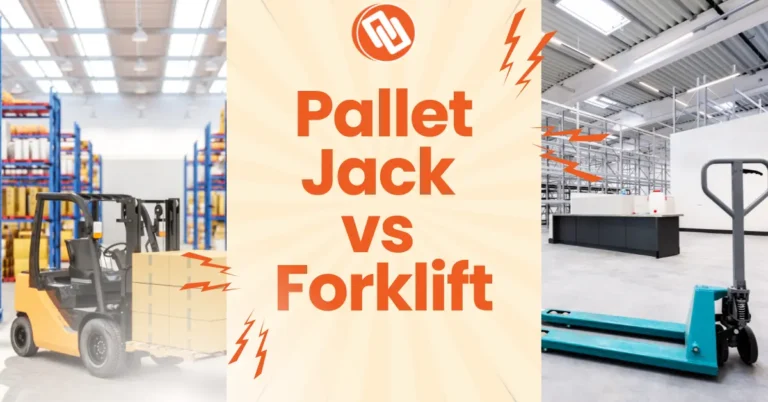
Not all forklifts are the same. OSHA classifies powered industrial trucks into seven classes, each requiring specialized training. Common types include:
- Class I: Electric motor rider trucks
- Class II: Electric motor narrow aisle trucks
- Class III: Electric pallet jacks and stackers
- Class IV & V: Internal combustion engine trucks (solid/cushion or pneumatic tires)
- Class VII: Rough terrain forklifts (used in construction and outdoor work)
Your certification must align with the specific class of forklift you’ll be using on the job.
Benefits of Getting Forklift Certified
Getting certified to drive a forklift might seem like just a formality—but it’s a game changer. It leads to better jobs, safer work, and more respect on the floor. Let’s break it down.
- You’ll Probably Make More Money: If you have a forklift certification, you’re not just another worker. You’re a trained one. And trained workers get paid more. Employers notice. You might land bonuses. Better hourly rates. Even promotions. It pays to be legit.
- More Doors Will Open: No certification? Many companies won’t even call you back. Warehouses. Factories. Shipping hubs. They want people who are already trained. When you’re certified, they know you’re ready. No long onboarding. No risky guesses. Just plug-and-play.
- Everyone’s Safer: Driving a forklift isn’t just about lifting stuff. It’s about how you lift, where you drive, and what to watch out for. Training teaches you to avoid danger—tight turns, heavy loads, busy aisles. Fewer injuries. Fewer accidents. That helps you, your team, and the company.
- You’re Covered Legally: Operating without a certificate? That’s risky business. OSHA says certification is a must. Without it, both you and your boss could get fined—or worse. With it, you’re protected. You’re within the law. No stress. No lawsuits. Just safe ground.
- You Look Like a Pro: When you’re certified, people notice. Supervisors trust you. Coworkers respect you. Hiring managers remember your name. You’re not just helping out—you’re an expert. That opens the door to leadership, raises, and solid references.
- It’s a Career Starter: Today, you’re on the forklift. Tomorrow? Maybe running the warehouse. Logistics manager. Safety lead. The possibilities grow. Certification is the first step toward a long, upward path.
Step-by-Step Process: How to Get Forklift Certified
Becoming forklift certified is a structured process that ensures you gain both theoretical knowledge and practical skills. Here’s a clear breakdown of how to get forklift certified from start to finish:
1. Pick a Trusted Training Program
Start by choosing a forklift training provider that people trust. It must follow OSHA rules if you’re in the U.S. (or your country’s safety guidelines if you’re elsewhere). This isn’t just about checking boxes—it’s about your safety and future job prospects.
Where can you find one? Try these:
- Trade schools with industrial courses.
- Online safety training websites.
- Local community colleges.
- Certified third-party safety trainers.
- Employer-sponsored programs in warehouses or logistics.
Important: your program must include both book work (or online lessons) and real hands-on training. If it skips the actual driving? It doesn’t count. A true certification also includes a performance test. No exceptions.
2. Do the Online or In-Person Lessons
Next up: the classroom part. It can happen in person or online, depending on the provider. This step gives you the core knowledge you need to stay safe.
Expect to learn things like:
- OSHA safety rules.
- Types of forklifts—sit-down, stand-up, pallet jacks, etc.
- How loads shift (center of gravity is key!).
- Inspection checklists before driving.
- Spotting hazards—like tight spaces, blind corners, or people walking nearby.
Online classes are great if you’re busy or live far from a training center. Just make sure the course includes quizzes, videos, and real support—not just reading slides.
3. Get Hands-On With a Real Forklift
Theory’s great—but now it’s time to drive. This is where you learn to actually handle a forklift, supervised by a certified trainer.
What you’ll practice:
- Moving safely in tight spaces.
- Lifting and stacking things properly.
- Driving on slopes or bumpy ground.
- Starting and stopping the forklift the right way.
- Doing daily safety checks before you use the machine.
Tip: train on the same kind of forklift you’ll use on the job. Different machines = different skills. Certification usually only covers what you trained on.
4. Pass the Tests
You’ll need to pass two exams:
- A written test (multiple-choice, safety rules, load handling, hazard spotting).
- A driving test (real-time evaluation by your trainer).
The written test might include some tricky scenarios. The practical test checks if you can steer, lift, turn, and stop safely. Show confidence. Follow the rules. If you mess up? No worries. You can retake it after more practice.
5. Get Your Certification and Card
You passed? Great! You’ll now receive:
- A certificate listing the forklifts you’re certified to operate.
- An operator card (wallet-sized) for job sites.
This card is good for three years. After that, you’ll need refresher training—especially if you’re in an accident or caught breaking safety rules.
Where to Get Forklift Certified
Want to get forklift certified? Great! You’ve got a few good options. The best one depends on where you work, where you live, and how you like to learn. Let’s break it down:
- Get Trained by Your Employer: Already have a job in a warehouse, factory, or on a construction site? Ask your boss. Many companies offer forklift training on the job. It’s often free. And it’s built around the exact machines you’ll be using. Expect a mix of classroom lessons and hands-on practice. You’ll learn fast—and get certified while working.
- Try a Trade School or Community College: Not working yet? No problem. Local trade schools and community colleges are great places to get certified. They’ve got structured programs, real instructors, and official paperwork when you’re done. Plus, it’s affordable. These programs are solid if you’re starting fresh or switching careers.
- Go Online (Yes, Really): Short on time? Like learning from home? Online certification might be your thing. Sites like CertifyMe.net, OSHA.com, and ForkliftCertification.com let you do the training at your pace. But heads up—you still need to complete the hands-on part with a trainer in person. That’s a must for OSHA approval.
- Use a Safety Training Center: These are pro-level training spots. Think of them as schools just for safety stuff. You can go solo or bring a team. They train you on different machines—pallet jacks, reach trucks, counterbalance forklifts, you name it. Some even come to you.
Make sure your course covers both classroom learning (in person or online) and real forklift practice with an evaluator watching. If it skips the hands-on part, it might not be valid.
Pro Tip: Looking for a job? Ask companies which forklift certifications they like. Some have favorites—and might even pay for your training.
How Long Does It Take to Get Forklift Certified?
Wondering how long forklift certification takes? You’re not the only one. It’s a common question—both for beginners and employers.
Step 1: Online Learning (1 to 2 Hours)
This is where most people start. The online part covers safety rules, how to handle loads, and how forklifts work. It’s self-paced. Some finish in just an hour. Others take longer. It depends on how fast you learn.
You’ll read, watch videos, and maybe take a quiz. It’s all about getting the basics down.
Step 2: Hands-On Training (2 to 5 Hours)
Next, it’s time to hop on the forklift.
This part is in person—with an instructor. You’ll learn how to steer, lift, reverse, and stack things. Never driven a forklift before? You might need the full five hours. If you’ve done it before? You’ll move faster.
Expect to drive, stop, turn, and prove you’re safe on the floor.
Total Time: Usually 1 Day
Most people finish both parts in one day. That’s it—done. Some schools give you the option to spread it out. You might do online one day, practice the next. It’s flexible.
Fast or Slow? It’s Up to You
Know your way around a forklift? Great. You might do a quick refresher and pass the test fast.
Brand new? Take the longer course. Learn the ropes. Build your skills. That extra time can help you feel more confident—and more prepared.
How Much Does It Cost to Get Forklift Certified?
Thinking about a job in warehousing, logistics, or construction? Then you’ve probably heard this before: You need forklift certification. In some cases, it’s not just smart—it’s required.
But let’s get straight to the big question:
How much does it cost?
It Depends on the Type of Training
There’s no single price tag. Costs vary depending on where you go and how you train. Here’s the breakdown:
1. Online-Only Certification
Price: $40 – $70
Quick. Convenient. Cheap.
These programs let you learn at your own pace, online. But be careful—they usually only cover the theory part. To be fully OSHA-compliant, you still need a hands-on evaluation. That part? You’ll need to arrange it separately.
2. In-Person, Full Certification
Price: $100 – $200
This option covers it all. Classwork. Practice. Testing. You’ll drive the forklift. You’ll get evaluated. Done and certified.
Many programs offer group rates or discounts if you bundle courses. Often held at training centers or community colleges. Great for beginners.
3. Employer-Sponsored Training
Price: Free (if offered by your job)
Some companies train you on the job. They either handle it in-house or pay a third party. If you’re already hired—or applying—ask about this. It might save you time and money.
Why It’s Worth It
Yes, certification costs money. But it’s not just an expense—it’s an investment.
Certified forklift drivers get hired faster. They usually earn more. They’re safer. More confident. And OSHA-approved training? It helps reduce workplace accidents. That’s a win for everyone.
Whether you’re climbing the career ladder, meeting job requirements, or just staying compliant—forklift certification is a small step with big benefits.
Keeping Your Forklift Certification Valid
Getting certified to drive a forklift? That’s step one. But staying certified—now that’s just as important. It keeps your workplace safe. And it keeps you on the right side of the rules.
How long does a forklift certification last?
Usually, three years. But life isn’t always that simple. Sometimes, you’ll need to renew it sooner. Here’s when.
- You Switch Forklift Types: Moved from a sit-down model to a stand-up reach truck? You’ll need new training. Different machines. Different controls. Big difference.
- You’re Involved in an Incident: Had an accident? Or a close call? Even a near miss counts. OSHA wants your skills reviewed. Maybe even retraining. It’s all about safety.
- Your Boss Sees a Problem: Driving sloppy? Ignoring safety steps? Even if your cert is still valid, your supervisor can flag it. That means retraining—on the spot.
- The Workplace Changes: Got a new floor layout? New shelves? Or a different machine altogether? If your environment shifts, your training might be outdated. Time to update.
Renewals are usually quicker. Cheaper, too. Especially if your employer handles it. Still—don’t wait. Set a reminder. Write it down. Do whatever it takes to stay on track.
Let it expire?
You could lose your job. Worse, you could put people at risk. And your company could face fines.
Why Getting Certified Is Worth It
Forklift certification is more than a piece of paper—it’s a game-changer. In today’s fast-paced industrial landscape, sectors like warehousing, logistics, construction, and manufacturing are constantly on the lookout for skilled operators. Earning your certification doesn’t just prove that you can safely operate machinery; it signals to employers that you’re committed, capable, and ready to take on greater responsibility.
Whether you’re trying to stand out in a crowded job market, aiming for a promotion, or simply increasing your value on the team, this credential showcases both professionalism and initiative. It’s not just about compliance—it’s about unlocking better pay, stronger job security, and broader career opportunities.
Conclusion
Let’s recap the essential takeaways:
- Forklift certification is legally required by OSHA to operate any powered industrial truck.
- The process involves classroom or online instruction, hands-on training, and a final evaluation.
- You can get certified in just one day, and the cost typically ranges from $40 to $200.
- Certification is valid for three years and must be renewed to stay compliant.
Getting forklift certified is a smart, strategic move for anyone working in industries that rely on material handling. It not only boosts your resume but also makes the workplace safer and more efficient.
If you’re serious about improving your skills and standing out in the job market, don’t wait—start your forklift certification journey today.
Visit our website for more expert resources, step-by-step guides, and training recommendations to help you succeed.